

Pokémon turns 30 this year, and that number hits different when you realize the original Pocket Monsters Red and Green launched in Japan on February 27, 1996. One of the things Pokémon has always done better than almost any franchise is make the past feel present. It can be as simple as hearing the Kanto route music for two seconds, or as expensive as deciding you suddenly need sealed product “for the collection” and then refreshing listings like it is a daily quest.
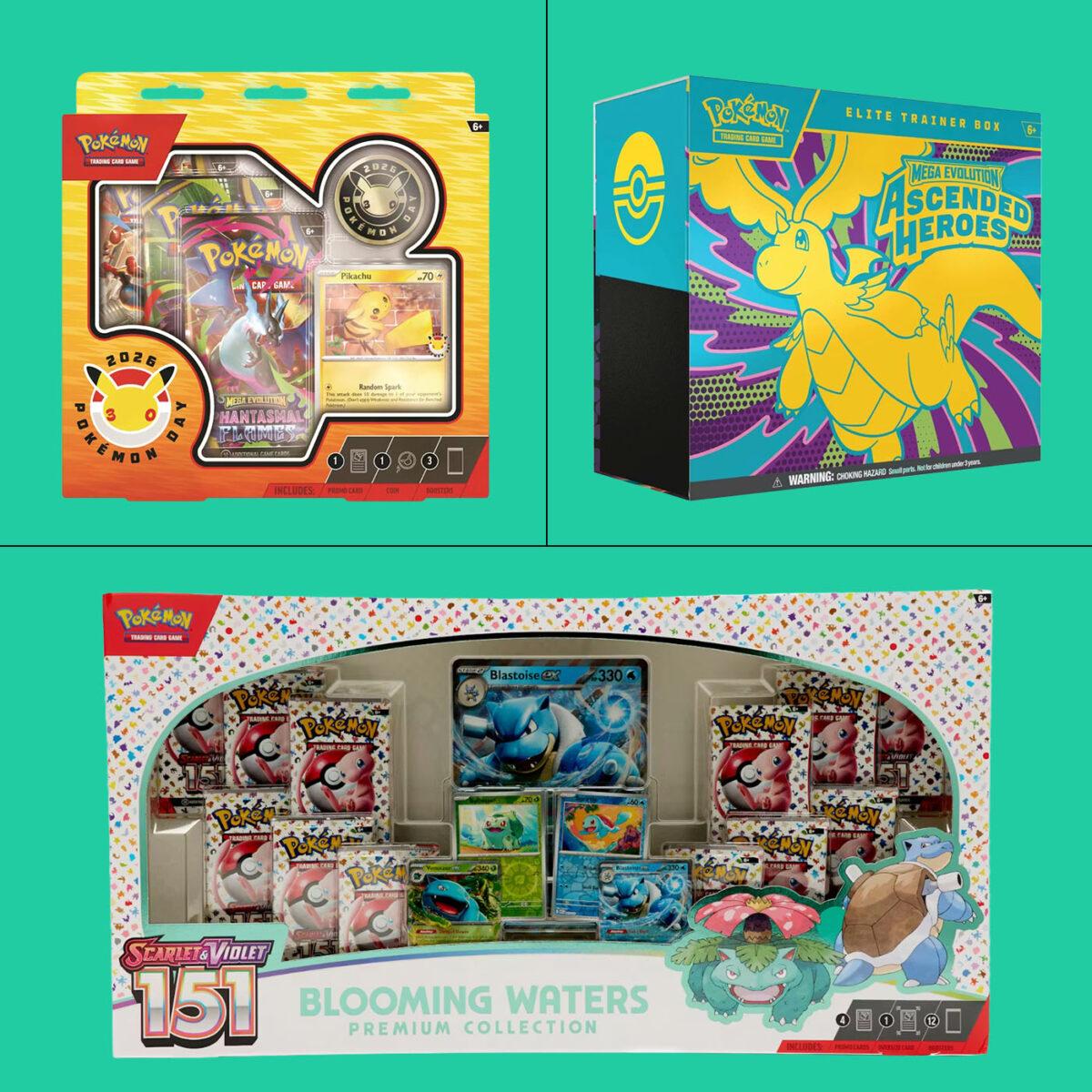
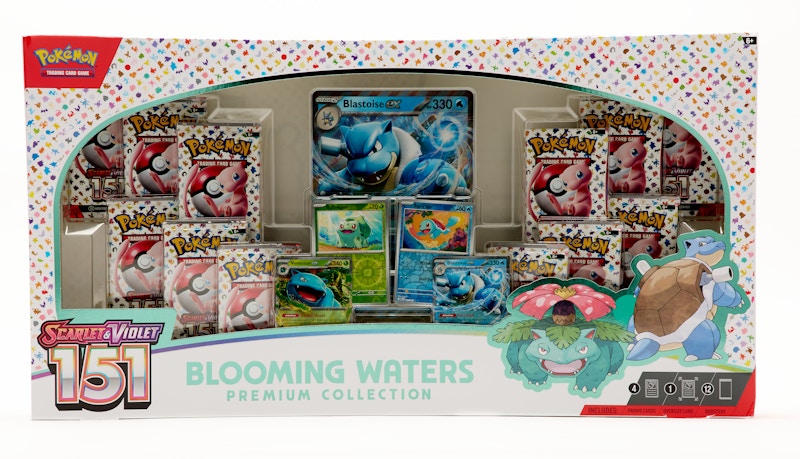
Right now, the Trading Card Game is the clearest snapshot of Pokémon’s longevity. It is nostalgia, design, and psychology in cardboard form, and the market has been loud lately for a reason. On StockX, the highest-selling Pokémon product of all time is the Scarlet and Violet 151 Blooming Waters Premium Collection, with more than 2,800 sales. That is not just a fun stat; it is a signal that the community is still chasing the feeling of 1999, but with 2026-level momentum.
Thirty Years of Reinvention: The Eras That Built Pokémon
Only saying Pokémon has been around for 30 years is an understatement. Pokémon has reinvented itself at least four times, and each reinvention introduced a new generation without losing the previous one.
The Original Era: 1996 to the early 2000s
Red and Green introduced a simple but addictive loop. Catch. Train. Trade. Battle. The original 151 Pokémon were not just characters; they were social currency. The Trading Card Game amplified that. Base Set holographics, playground trades, binder pages organized by type. For many collectors today, this is still the emotional foundation of the hobby.
The Expansion Era: Ruby, Sapphire, Diamond, Pearl
As new regions rolled out, the franchise proved it could grow without collapsing under its own weight. The TCG experimented with new mechanics like EX cards and later full arts. The Pokédex expanded past 300, then 400, then beyond. Pokémon was no longer a fad. It was a system.
The Mainstream Resurgence: Pokémon GO and Beyond
In 2016, Pokémon GO reminded the world that the brand could still dominate global attention. Parks were full. Gyms were crowded. People who had not touched a cartridge in a decade were suddenly walking miles for a Dragonite. That mobile moment reintroduced Pokémon to millions who would later reenter the TCG space.
The Modern Collector Era: 2020 Forward
The pandemic era accelerated something that was already building. Influencer box breaks, grading culture, and sealed speculation changed the perception of Pokémon cards. It was no longer just a hobby, it was a collectible market with real liquidity. Scarcity narratives formed around sealed booster boxes and premium collections. Demand outpaced retail supply. Prices moved faster. The community got bigger and louder.
The past year in Pokémon: why it felt so intense
If you are wondering why things felt extra heated recently, start with Pokémon 151. The set was not subtle about what it was doing. It brought back the original 151 in full, and it did it with intention. Charizard. Venusaur. Blastoise. Mewtwo. The pillars of Base Set were not just included, they were redesigned with modern illustration rares and special art treatments that felt both premium and familiar.
For collectors who grew up staring at a Base Set Charizard behind scratched plastic, 151 felt personal. It was the first time in years that a modern set centered the entire original Pokédex without distraction. The chase was clean and obvious. Pull the big three. Pull Mew. Pull the full art starters. Complete the binder in numerical order like it is 1999 again. That clarity is powerful. It lowers the barrier for casual buyers while giving serious collectors defined targets.
And then there were the pull dynamics. Secret rares. Illustration rares. Textured cards that look better in hand than they do online. The occasional “god pack” experience where multiple premium hits land in the same booster. Whether rare or not, the mere possibility of that kind of pack adds fuel to the opening experience. It turns ripping into an event.
When 151 is on shelves, people buy it because they recognize it. When it is not, sealed demand spikes because nobody wants to miss the window.
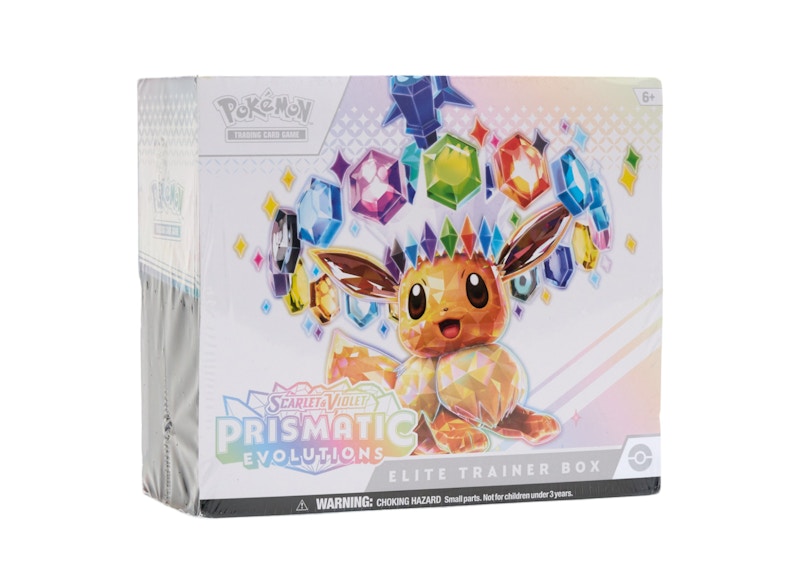
Then Prismatic Evolutions raised the temperature in a different way. Instead of leaning entirely on nostalgia, it leaned on one of the most reliable demand engines in modern Pokémon: Eeveelutions, especially Umbreon. Umbreon has become one of the most chased Pokémon in the alternate art era, and when a set positions it as a centerpiece, collectors pay attention.
Prismatic was not just about one card, though. It expanded on the layered rarity structure that modern sets thrive on. Multiple parallel tiers. Vibrant finishes. High contrast artwork designed to stand out on social feeds and in grading slabs. The introduction and normalization of ultra premium pack outcomes, including god pack openings, amplified the spectacle. Break streams went from steady to chaotic in seconds when a top chase hit the table.
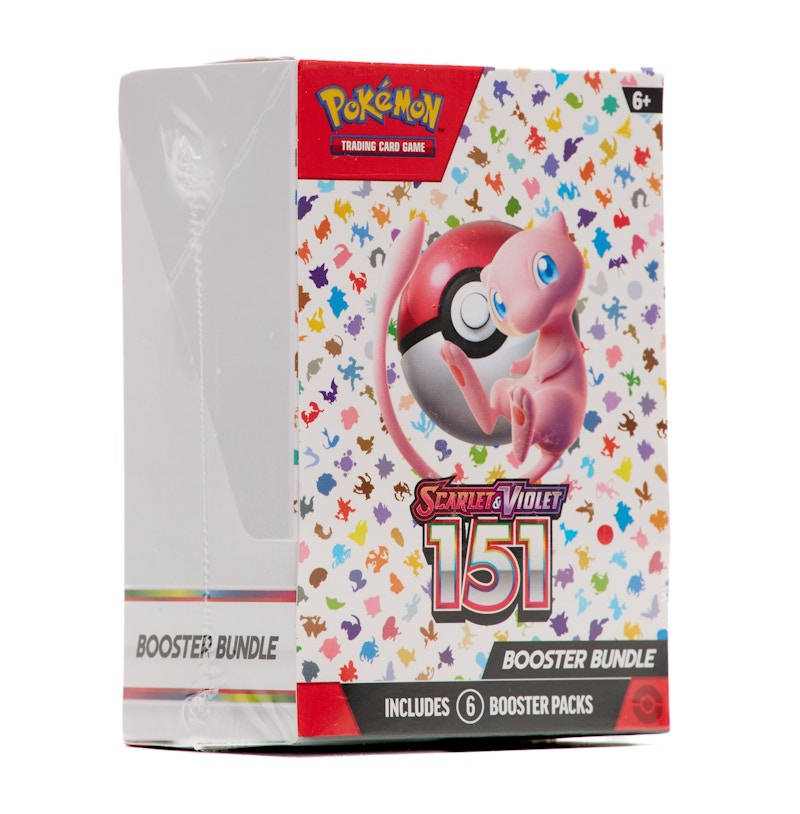
This is where resellers accelerated. Demand was not theoretical. It was visible. You could see it in sellouts, in restock alerts disappearing instantly, in sealed cases quietly moving off the market. Once availability consistently lagged behind interest, pricing responded. Even product types that normally sit comfortably, like booster bundles or collection boxes, began behaving like limited drops.
This is the modern Pokémon cycle at its most honest. Nostalgia pulls you in with Charizard and Blastoise. Design depth keeps you chasing Umbreon and alternate arts. Scarcity and pack mechanics like god packs make every sealed product feel like it might contain a moment.
And at 30 years in, that formula is sharper than ever.

The most recent set: Ascending Heroes, and the rollout that kept the spotlight on
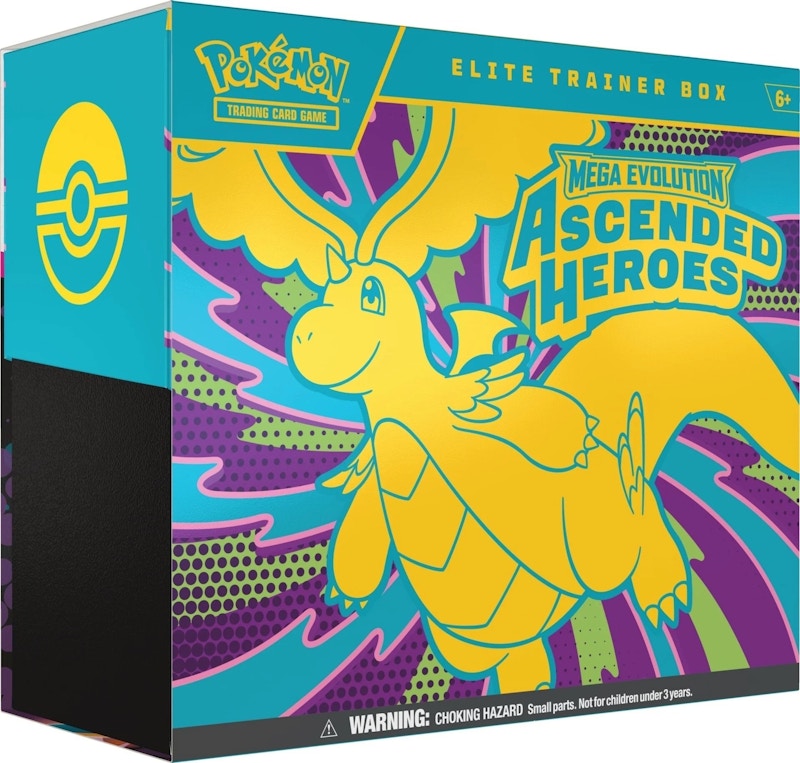
The last set released was Ascended Heroes, a special Mega Evolution era expansion that launched January 30, 2026, built around Mega Evolution Pokémon and a big modern fan service approach. It is also a set that feels engineered for today’s attention span, because it did not arrive as one clean drop. The release schedule was broken up on purpose.
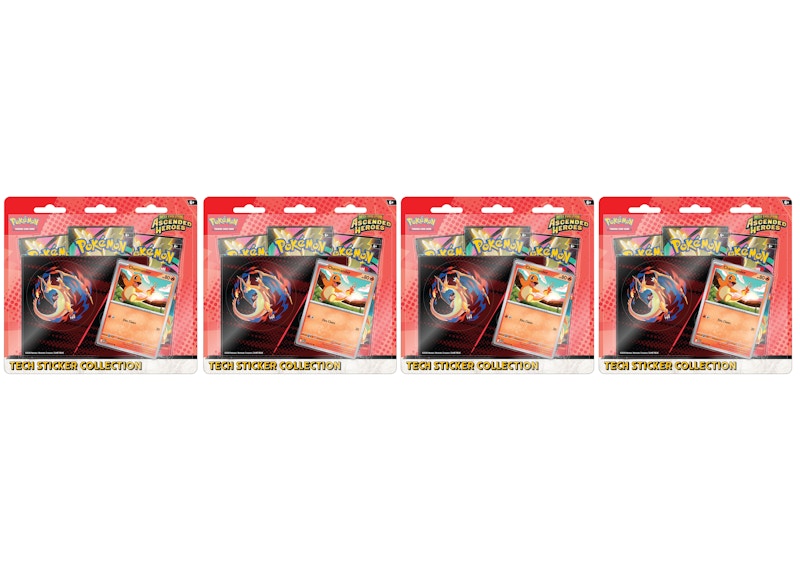
First, the tech stickers landed, which sounds small until you realize how effective early product is at warming up demand and getting collectors talking. Then the Elite Trainer Boxes arrived on February 27, which is Pokémon Day and now the 30th anniversary date too, so the timing was never going to be quiet. After that, booster bundles are slated for April, which keeps the set alive in a way that a single weekend release never does.
And yes, the chase list is exactly the kind of lineup that pulls in both longtime fans and modern collectors: Dragonite, Gengar, Pikachu. That trio works because each one hits a different flavor of Pokémon love. Dragonite is classic power fantasy with soft edges. Gengar is mischief and menace, the ghost you root for. Pikachu is the brand’s heartbeat, and the hobby still reacts like it is 1999 whenever Pikachu gets a top slot.

What is next on March 27: Mega Evolution: Perfect Order
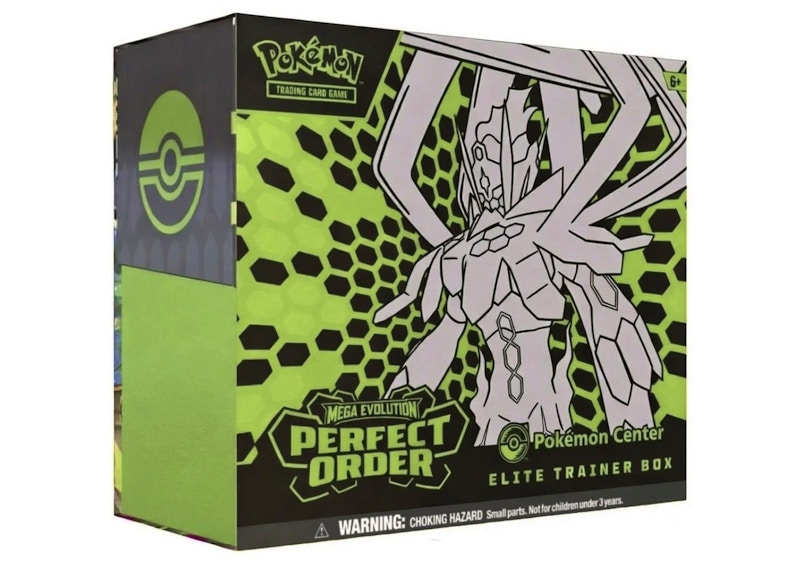
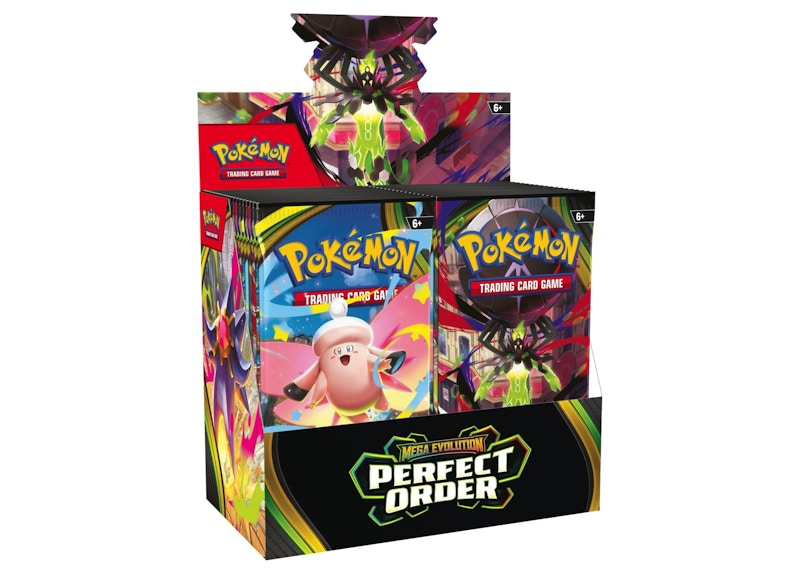
The next set releases March 27, 2026, and it is called Mega Evolution: Perfect Order. The premise leans into a cityscape theme tied to Lumiose City and Pokémon Legends: Z A, with Mega Zygarde ex positioned as the force that “keeps order” while other threats press in. Early mentions highlight cards like Mega Zygarde ex, Mega Starmie ex, Mega Clefable ex, and more Mega Evolution additions, with product formats including booster boxes and ETB’s
If Ascended Heroes feels like a celebration of fan favorites and recent hits, Perfect Order reads like the next chapter of the Mega Evolution era, leaning into a more structured theme and a clear visual identity.
Why Pokémon still wins at 30, and why the market still follows
Pokémon has survived every era because it understands something simple: people do not just collect creatures, they collect memories. The franchise keeps reintroducing the same emotional anchors in new packaging, and the TCG is the most direct version of that. It can be Kanto, it can be Mega Evolution, it can be a premium box that puts Blastoise and Venusaur on the front again. The mechanics change, the rarity labels evolve, the art gets bolder, but the core feeling stays intact.
That is also why sealed boxes matter so much right now. A sealed product is the closest thing collectors have to owning a future moment. You are not just buying cards, you are buying optionality: the chance to open later, the chance to keep it pristine, the chance that scarcity does what scarcity always does over time.
Thirty years in, Pokémon is not coasting on history. It is actively creating new peaks, and the last year proved it. The hype did not come from nowhere. It came from a franchise that knows exactly how to turn a childhood into a current event, and a community that is still happy to chase that spark.