

In early 2026, one of the clearest shifts showing up on StockX isn’t tied to a single sneaker release or collaboration. It’s soccer. Across cleats, lifestyle sneakers, and apparel, interest in soccer-driven products has been building steadily. As the World Cup approaches, that momentum is becoming more visible across the marketplace.
This moment is not just event-driven. It reflects a broader shift in which sport, nostalgia, and global style movements are converging.
Soccer Style Was Already Building Globally
The current wave of soccer style did not start with the World Cup. It has been building over the past few seasons, particularly across Europe, where trends like blokecore pushed jerseys, track pants, and terrace sneakers into everyday outfits.
More recently, styling movements like boots-only summer took things further. In some cases, people were not just referencing soccer style. They were wearing cleats in everyday settings. That blurred line between performance and lifestyle helped influence how brands approached the category.
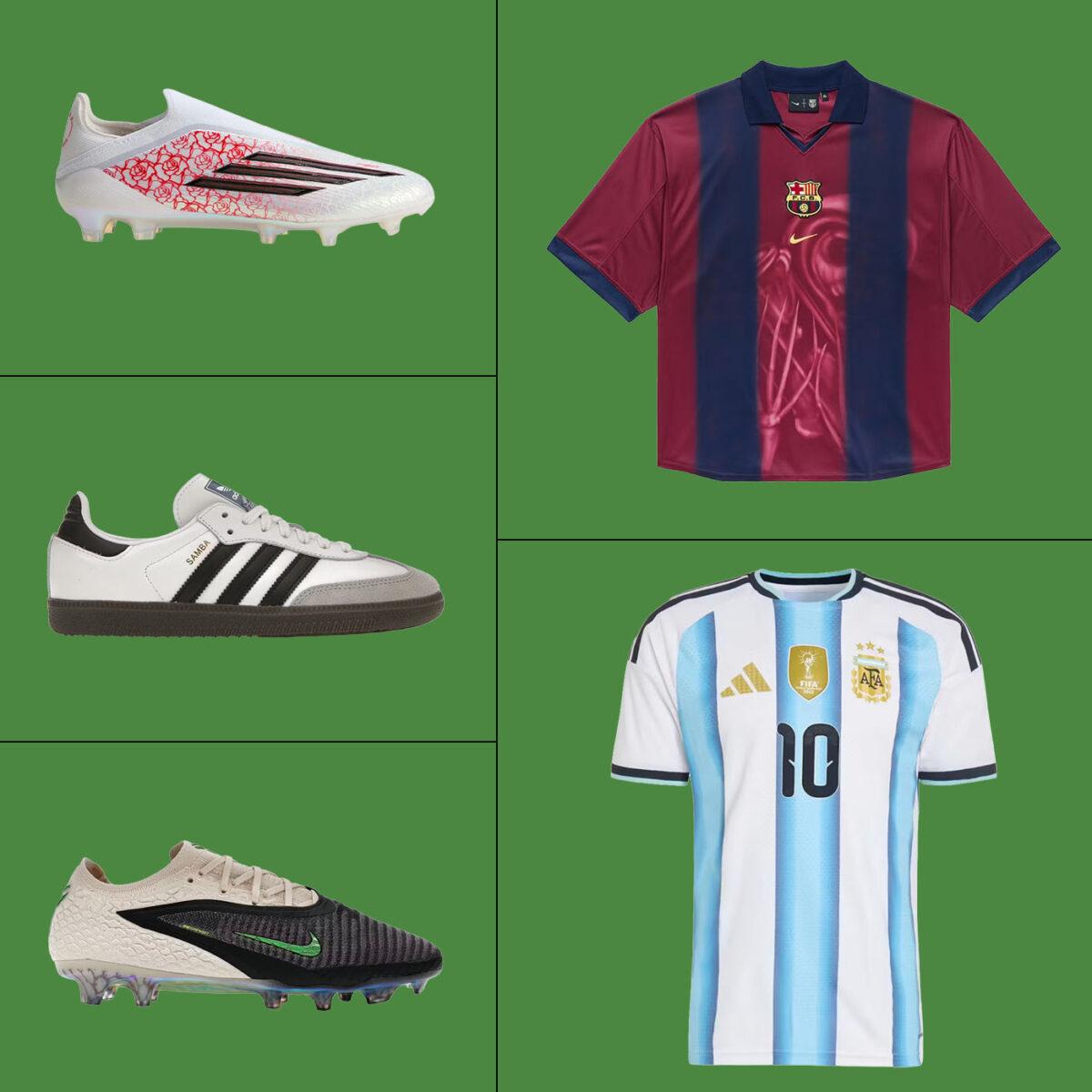
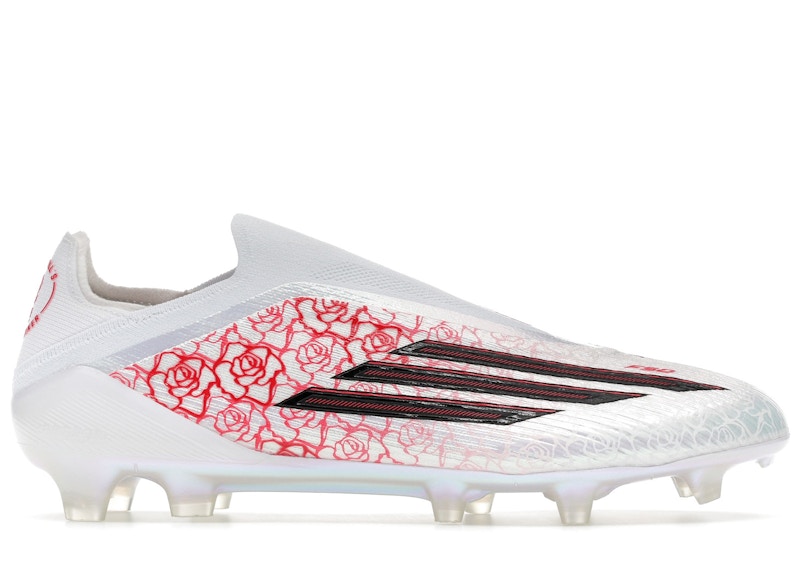
Adidas’ introduction of street-ready versions of performance silhouettes, like the F50 Walkable, reflects that shift. Instead of adapting style to fit the product, brands are adapting products to match how people are actually wearing them.
What started as a regional style movement is now translating globally. On StockX, that influence is beginning to show up across multiple categories at once.
Cleats Are Driving the Energy
Performance footwear sits at the center of this trend. Modern cleats are not only built for the pitch. They are shaping how sneakers look and feel off it.
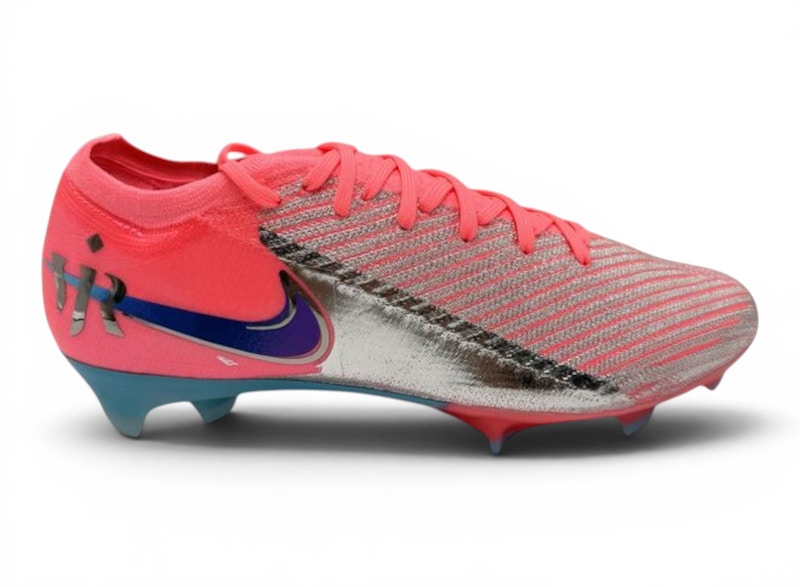
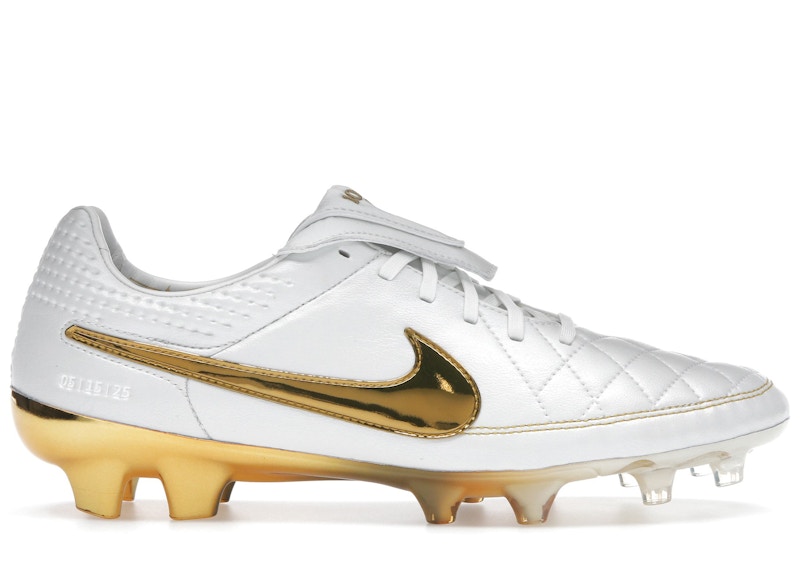
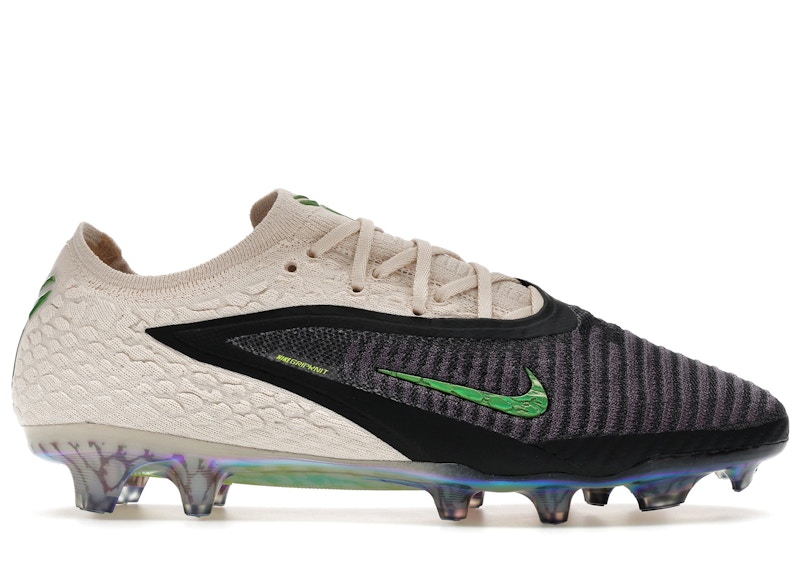
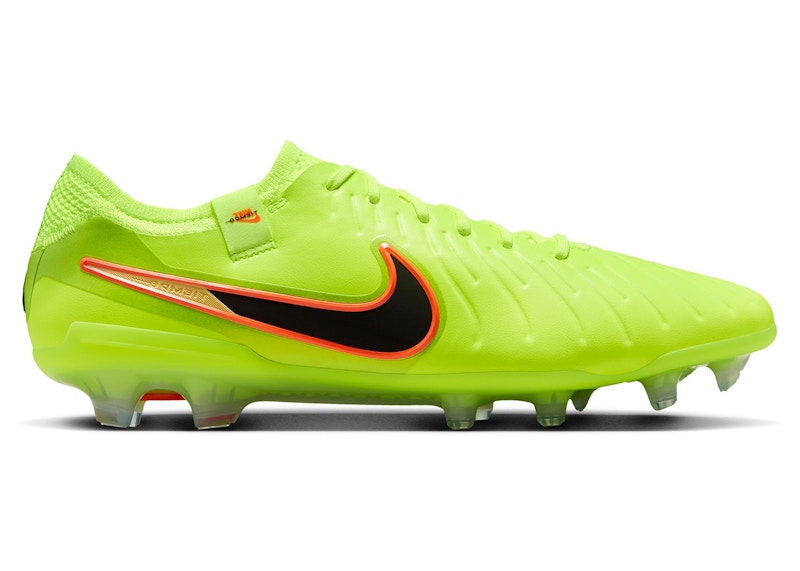
Nike continues to lead with speed-focused silhouettes like the Zoom Mercurial Vapor 16 Elite Vini Jr Sunset Pulse, while heritage-driven models like the Tiempo Legend RGN Ronaldinho Touch of Gold tap into legacy and nostalgia. At the same time, releases like the Nike Phantom 6 Elite Kobe Bryant connect performance design with broader cultural storytelling.
Adidas is pushing the category forward as well. The F50 Elite FG BAPE Multi Camo brings collaboration energy into performance footwear in a way that feels closer to streetwear than traditional sport.
As visibility around these models increases, interest continues to expand beyond core performance buyers. Design elements like lightweight construction, aggressive shaping, and bold color palettes are starting to influence how consumers evaluate everyday sneakers.

Soccer Sneakers Are Everywhere Again in 2026
If cleats are driving the design language, lifestyle sneakers are where most people are engaging with the trend day to day.
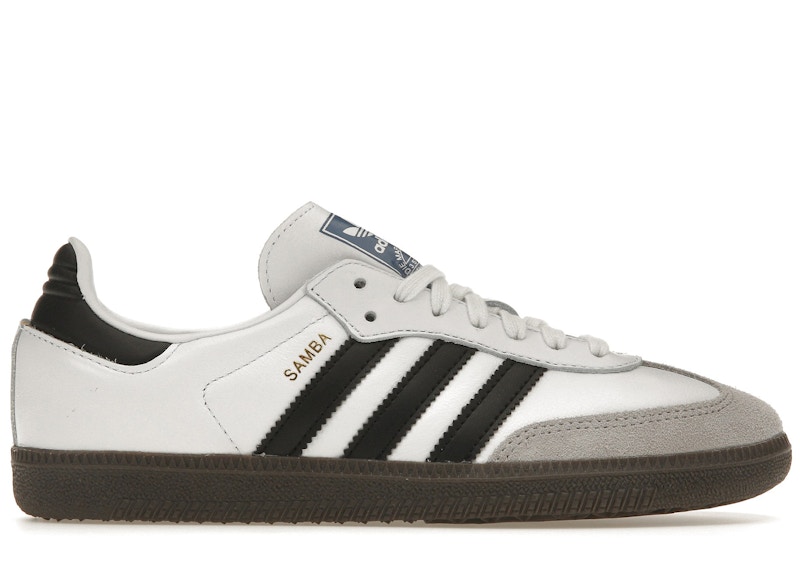
Adidas continues to dominate this space with the Samba and Gazelle Indoor models, both of which have become staples well beyond soccer. Their low-profile construction and terrace roots align with the broader shift away from oversized footwear.
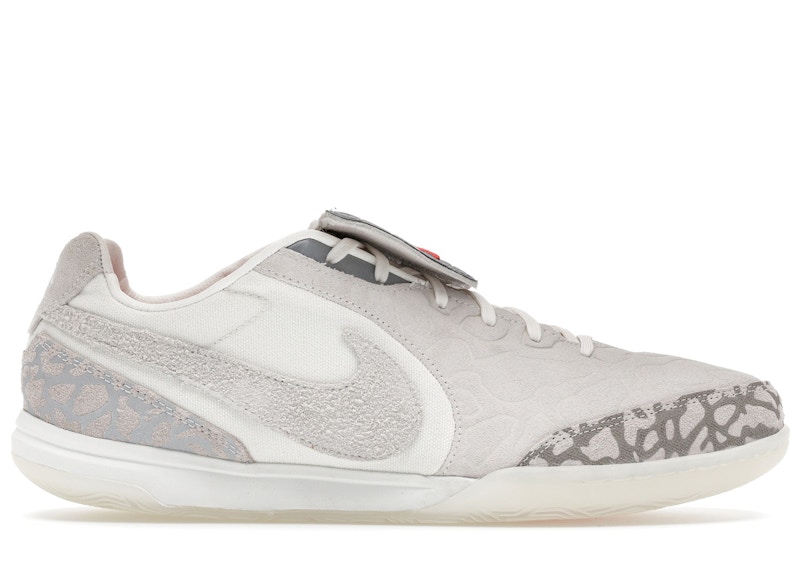
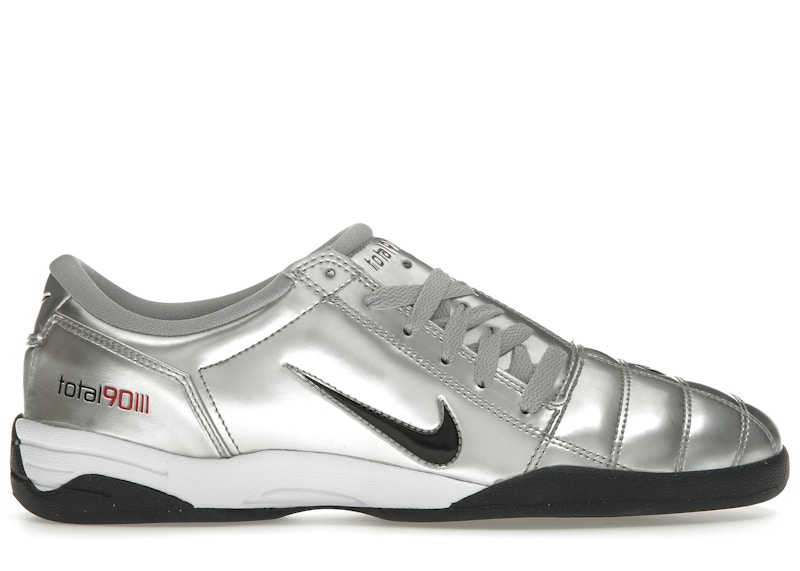
Nike has leaned into its archive with releases like the Killshot 2 Tiempo Pack and the return of the Total 90, bringing indoor and training silhouettes back into rotation. These models feel familiar but updated, tapping into early 2000s nostalgia in a way that resonates with current styling.
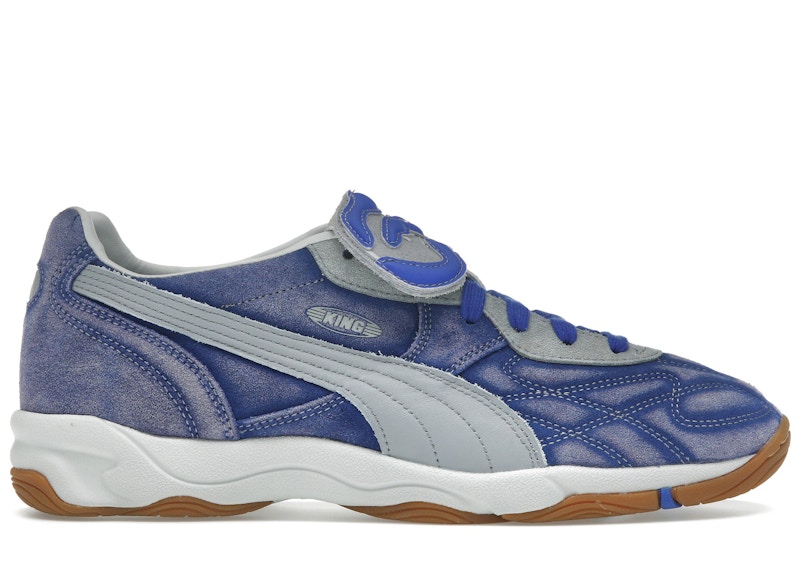
There is also growing experimentation across brands. The Jordan Tiempo Streetgato blends soccer DNA with Jordan branding. The Puma King Indoor KidSuper and lifestyle-driven F50 Walkable models show how performance inspiration is being translated into everyday footwear.
Low-profile soccer sneakers are seeing consistent attention from both casual buyers and style-driven consumers. What ties all of these together is shape. Streamlined, close to the ground, and easy to wear, these sneakers reflect the direction the broader footwear market is moving.


Jerseys Have Fully Entered Streetwear
Alongside footwear, soccer jerseys have become one of the most visible entry points into the trend.
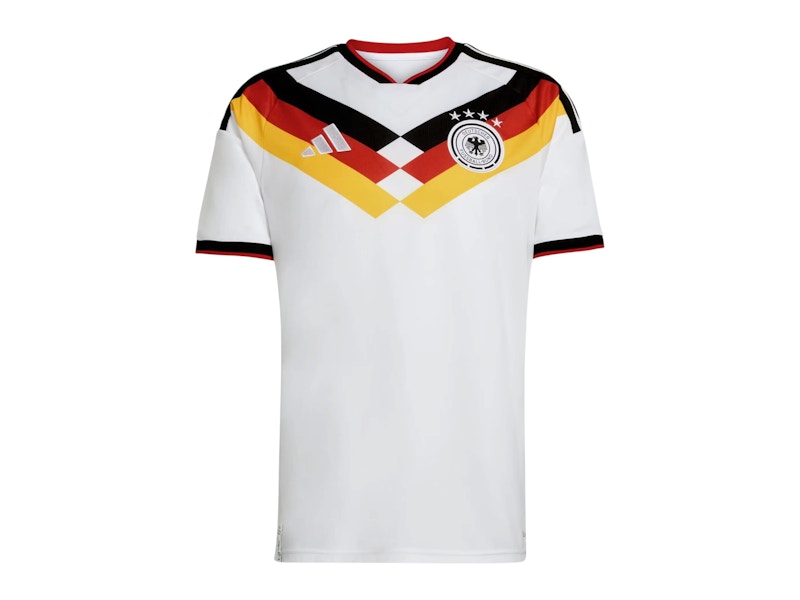
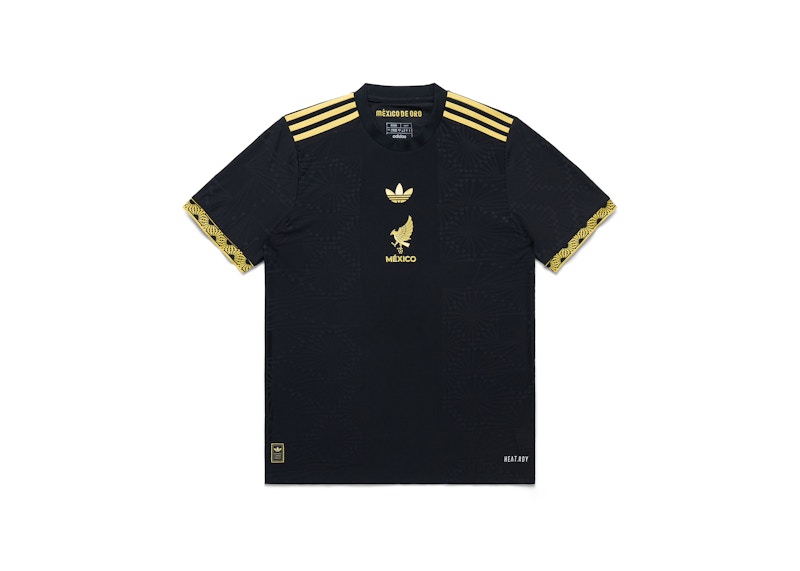
Classic national kits like the Argentina 2026 Messi Home Jersey and Germany 2026 Home Jersey are seeing renewed attention as anticipation builds for the tournament. More expressive pieces like the Mexico Gold Jersey and Bob Marley Jamaica Away Jersey highlight how design and cultural storytelling are becoming just as important as team affiliation.
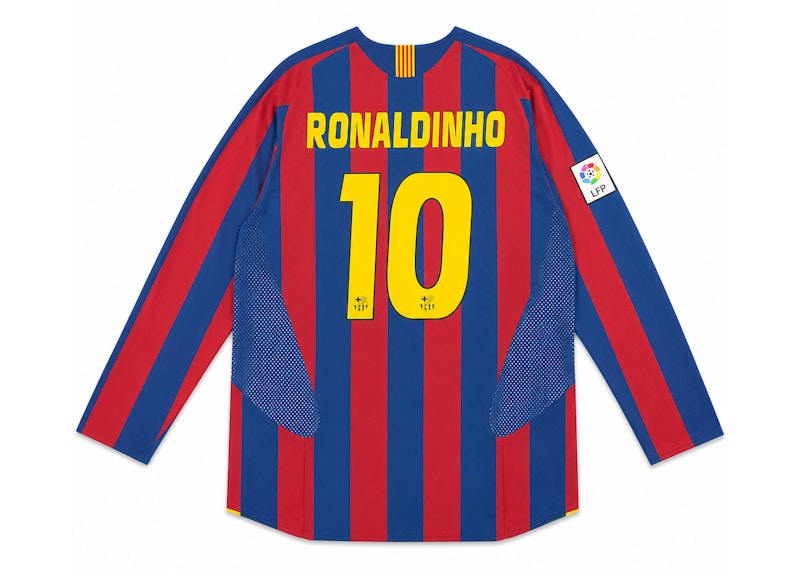
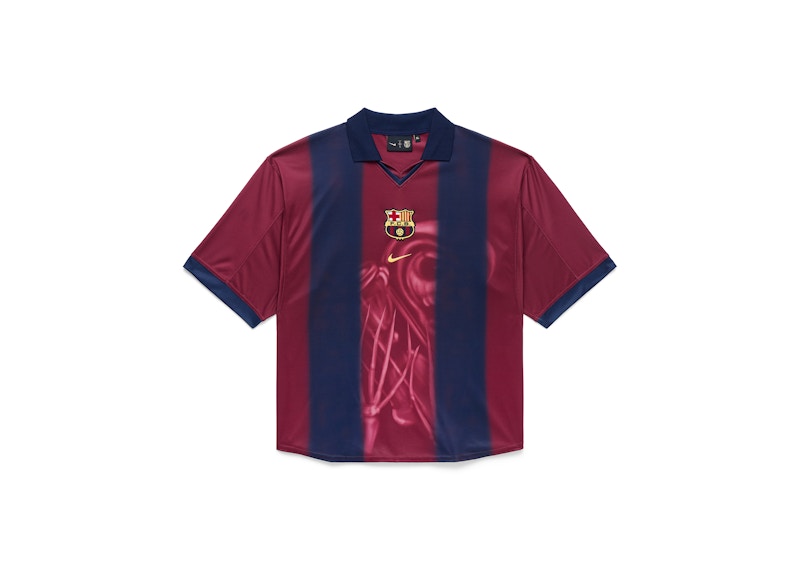
Nostalgia continues to play a major role. The Brazil Ronaldinho 2004 Reissue Jersey taps into one of soccer’s most recognizable eras, while collaborations like the Travis Scott x FC Barcelona Retro Jersey show how jerseys are now fully integrated into streetwear and artist-driven fashion.
Jerseys have moved well beyond match day. They are becoming one of the most accessible entry points into soccer style, with buyers often pairing them with terrace sneakers or other low-profile footwear.


Why This Matters on StockX
For StockX, this is not a single-category trend. It is a shift happening across multiple verticals at once. Buyers entering through jerseys are increasingly exploring sneakers. Those drawn to models like Samba or Gazelle are discovering cleat-inspired silhouettes. The lines between performance, lifestyle, and apparel are becoming less defined, and soccer sits at the center of that overlap. Interest is still building rather than peaking. That is what makes this moment notable. The market is moving alongside the trend as it develops, not reacting after the fact.
What to Expect This Summer
As the World Cup gets closer, soccer style will become even more visible.
Jerseys will continue to move into everyday wear, especially as national pride becomes part of the conversation. Lifestyle sneakers rooted in soccer, particularly low-profile silhouettes, will remain central to how people dress. Performance footwear will continue to influence design across categories, even for those who never step on a pitch.
There is also room for expansion. More collaborations, more archive revivals, and more crossover between sport and fashion are likely as brands respond to growing interest.
The Takeaway
Soccer style in 2026 is not just about the World Cup. It reflects a broader shift that has been building across regions, categories, and consumer behavior. Cleats are influencing sneakers. Jerseys are functioning as everyday pieces. Trends that started in specific regions are now shaping global demand. As summer approaches, soccer is not just part of the conversation. It is helping define it.